

The Role of Art Dealers and Consultants in Toronto’s Contemporary Art Market
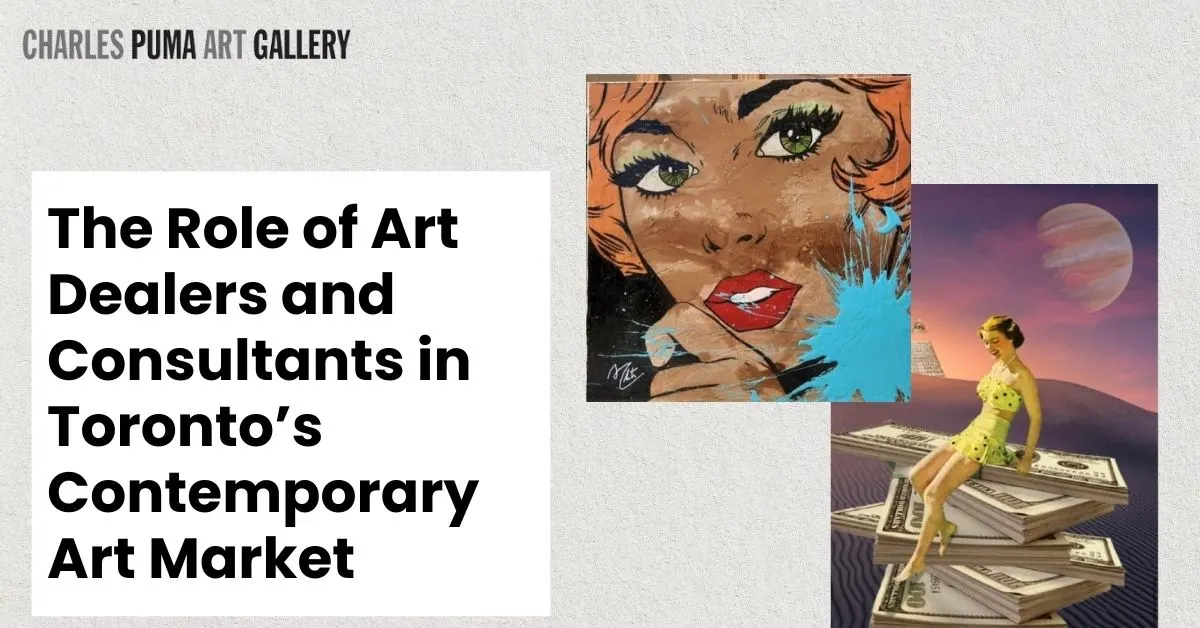
Toronto has become a consequential node in the global contemporary art network. It is a city where institutional weight, a diverse artistic community, and an increasingly sophisticated collector base converge. Within that ecosystem, art dealers and art consultants perform distinct but complementary functions. They interpret artistic value, facilitate connections between makers and audiences, and shape how the market understands and supports contemporary practices.
This article examines those roles in depth, situating them in Toronto’s institutional landscape, everyday gallery life, ethical expectations, and emerging trends. Where useful.
Toronto’s Contemporary Art Ecosystem: Institutions, Actors, and Dynamics
Toronto’s cultural infrastructure is layered and active. Major public institutions anchor the city’s programmatic and collecting activity, while a broad constellation of independent galleries, artist run centres, university programs, and biennial projects produces exhibitions, critical discourse, and new audiences.
These institutions set conservation standards, host large scale exhibitions, and offer platforms that raise the profile of local artists. Smaller spaces and project venues often incubate experimental practices and risk taking modes of presentation. This multi tiered structure creates a productive tension between stability and experimentation, allowing artists to develop outside of purely commercial pressures while still engaging with the market.
Collectors in Toronto range from private individuals building focused holdings to corporate and institutional buyers that acquire work for public display or long term cultural stewardship. The relationship between collectors and institutions is reciprocal. Public programming benefits from private loans and donations, while collectors often rely on institutional validation when assessing an artist’s longer term significance.
Toronto’s multicultural population and its ties to diasporic networks contribute to a varied aesthetic geography. Cross disciplinary work, hybrid forms, and diverse narratives increasingly inform both curatorial agendas and market interest. This plurality shapes how galleries, dealers, and consultants approach representation and advising.
Market dynamics in Toronto are neither monolithic nor insulated from global patterns. Local galleries engage with international fairs, digital marketplaces, and global collectors. Meanwhile, Canadian cultural funding structures influence what kinds of practices receive institutional attention. Recent conversations about online sales, the role of institutional collecting, and cross border circulation are part of a broader context that frames the work of both dealers and consultants.
Defining the Roles: Art Dealers Versus Art Consultants
Although art dealers and art consultants often operate in overlapping social and professional circles, their responsibilities and obligations differ in important ways.
What an Art Dealer Does
An art dealer in Toronto typically operates within commercial channels to represent artists, manage inventory, and place works with collectors, institutions, or other galleries. Dealers may run physical gallery spaces, participate in art fairs, and organize exhibitions that situate an artist’s work within broader aesthetic or historical conversations.
A dealer’s role includes price negotiation, market positioning, and logistical coordination. They may oversee shipping, framing, documentation, and installation. Dealers also act as long term advocates for their artists, helping to build visibility through exhibitions, publications, and institutional introductions.
In this sense, the art dealer in Toronto functions as a mediator between artistic production and public or private ownership. Their work involves not only transactions but also interpretation, narrative building, and long term career development.
What an Art Consultant Does
An art consultant in Toronto operates primarily on the advisory side of the market. Rather than selling from a fixed inventory, consultants provide research based guidance to clients such as private collectors, corporations, developers, and institutions.
Art Consultants assist with acquisition strategies, artist discovery, provenance research, and long term collection planning. They often conduct comparative market analysis, assess pricing benchmarks, and evaluate condition and authenticity.
Unlike art dealers, consultants are typically contractually aligned with their clients rather than with artists or gallery programs. This difference shapes how they approach valuation, negotiation, and disclosure. Their role emphasizes independence, documentation, and long term stewardship rather than sales.
Why the Distinction Matters
While both roles contribute to the circulation of art, the difference lies in fiduciary alignment. Art Dealers are accountable to the sustainability of their gallery programs and to the artists they represent. Art Consultants are accountable to their clients’ objectives and collection goals.
This distinction matters for transparency, trust, and ethical clarity. When roles blur without disclosure, conflicts of interest can arise. Clear boundaries protect artists, collectors, and institutions alike.
How an Art Gallery Operates Within Toronto’s Contemporary Market
An art gallery in Toronto functions as both a cultural platform and a commercial entity. It must balance curatorial responsibility with financial sustainability while engaging audiences that range from casual visitors to seasoned collectors.
Curatorial Practice and Exhibition Programming
Art Gallery exhibitions in Toronto are shaped by aesthetic judgment, market conditions, and cultural relevance. Some galleries prioritize long term engagement with a small roster of artists. Others adopt more fluid, project based programming.
Responsible curatorial practice includes accurate representation of an artist’s work, contextual framing, and clear communication about editions, collaborations, or conceptual parameters. Art exhibitions often serve as the primary public interface between an artist’s ideas and their audience.
In Toronto, many art galleries also engage with broader cultural conversations, addressing themes such as migration, identity, technology, and environmental change.
Artist Representation and Career Stewardship
Representation can be exclusive or non exclusive, long term or project based. In sustained relationships, galleries often invest in an artist’s development by organizing exhibitions, facilitating residencies, and introducing their work to curators, critics, and international networks.
This stewardship involves more than sales. It includes archival documentation, critical writing, and careful pacing of an artist’s market exposure. Overexposure or premature pricing escalation can damage a career.
Ethical Considerations
Ethical practice in art gallery operations includes transparent pricing, accurate provenance records, and fair contractual terms. Increasingly, galleries are expected to address issues of cultural patrimony, restitution, and contested ownership histories.
These responsibilities contribute to market confidence and cultural credibility.
The Consultant’s Contribution: Advisory, Research, and Long Term Planning
Art consultants in Toronto serve as navigators in an increasingly complex market. Their work is grounded in research, documentation, and long horizon thinking.
Advisory Services for Different Clients
Private collectors may seek help defining their taste, managing budgets, or building coherence across acquisitions. Corporate clients often require advice on alignment between visual culture and organizational identity. Institutions may engage consultants to identify gaps in collections or to advise on acquisitions.
In each case, the consultant’s task is to translate aesthetic interest into structured, sustainable strategies.
Research, Documentation, and Conservation
Art consultants frequently coordinate condition reports, conservation plans, and insurance documentation. For time based or technologically complex works, this can involve extensive technical consultation.
This aspect of consulting emphasizes that ownership is not merely about possession but about responsibility.
Strategic Collection Building
An art consultant’s long term role is to help clients build collections that have intellectual coherence, cultural relevance, and practical sustainability. This may include advising on loans, donations, or future institutional partnerships.
How Art Dealers Contribute to Market Stability and Artist Careers
Art Dealers in Toronto play a central role in shaping how value is perceived and maintained.
- Network Building: Through exhibitions, publications, and participation in fairs, Art dealers place artists into professional networks. This network visibility often precedes institutional acquisition or critical attention.
- Price Formation and Transparency: Art Dealers participate in price discovery by maintaining consistent pricing structures, documenting sales, and managing edition sizes. Clear invoicing and condition reporting reduce ambiguity.
- Collector Education: Many galleries host talks, walkthroughs, and discussions that introduce audiences to contemporary practices. This educational role expands the base of informed collectors and supports long term engagement.
Trust, Transparency, and Due Diligence
Trust is foundational in the art market.
- Disclosure Standards: Accurate provenance records, condition reports, and contractual clarity protect all parties. Written documentation reduces future disputes.
- Conflicts of Interest: Art Consultants and dealers must disclose potential conflicts. Transparency preserves credibility and protects client trust.
- Legal and Ethical Research: Due diligence includes ownership verification, copyright considerations, and, when relevant, cultural heritage concerns.
Emerging Trends in Toronto’s Contemporary Art Market
- Digital Platforms: Online exhibitions, virtual viewing rooms, and digital sales channels are now standard. Hybrid models combining physical and digital engagement are likely to persist.
- New Collector Profiles: Younger collectors often prioritize cross disciplinary work, social relevance, and experimental forms. This shifts how value is framed.
- Global Integration: Toronto galleries increasingly engage in international exchange, requiring fluency in shipping, customs, and international legal frameworks.
Frequently Asked Questions
1. What is the difference between an art dealer and an art consultant?
An art dealer represents artists and facilitates sales through exhibitions and placements, while an art consultant advises collectors and institutions on research, acquisitions, provenance, and long term collection planning.
2. How does Toronto’s contemporary art market differ from other global cities?
Toronto’s market is shaped by strong public institutions, diverse cultural voices, artist run spaces, and a growing collector base, creating a balanced environment that supports experimentation alongside long term artistic sustainability.
3. What role does an art gallery in Toronto play beyond selling artwork?
An art gallery in Toronto curates exhibitions, supports artist development, provides cultural context, engages audiences through education, and contributes to critical dialogue within the city’s contemporary art ecosystem.
4. Why is due diligence important when purchasing contemporary art?
Due diligence ensures authenticity, accurate documentation, legal clarity, and ethical sourcing, helping buyers make informed decisions while protecting artists, collectors, and institutions from future disputes or misrepresentation.
5. How does an art consultant in Toronto support collectors?
An art consultant in Toronto helps collectors define goals, research artists, evaluate pricing, manage documentation, and develop cohesive long term strategies for building, preserving, and sharing meaningful art collections.
6. What emerging trends are shaping Toronto’s contemporary art scene?
Key trends include digital exhibitions, cross disciplinary practices, socially engaged work, younger collectors, and increased international visibility, requiring galleries, dealers, and consultants to adapt their curatorial and advisory approaches.
7. Can one organization function as a gallery, dealer, and consultant?
Yes, provided transparency is maintained, one organization can operate as a gallery, art dealer, and consultant, offering integrated curatorial, market, and advisory expertise while clearly communicating its roles and responsibilities.
Looking Ahead
The future of art dealers and consultants in Toronto will likely emphasize adaptability, ethical clarity, and cultural literacy. Dealers who prioritize long term artist development will contribute to market stability. Consultants who foreground stewardship, research, and transparency will help collectors build meaningful and sustainable collections.
Together, these roles sustain Toronto’s contemporary art ecosystem. They mediate between creation and preservation, between innovation and continuity. When practiced responsibly, they support not only individual careers but the cultural health of the city itself.
In this evolving landscape, spaces that integrate curatorial vision with informed market guidance play an increasingly important role. As an art gallery in Toronto that also engages in art dealing and consulting, Charles Puma Art Gallery operates at this intersection, working with artists, collectors, and institutions through both exhibition making and advisory practices. For those seeking to better understand contemporary art, build thoughtful collections, or engage with the market in a more informed way, connecting with professionals who work across these roles can offer clarity and long term value.